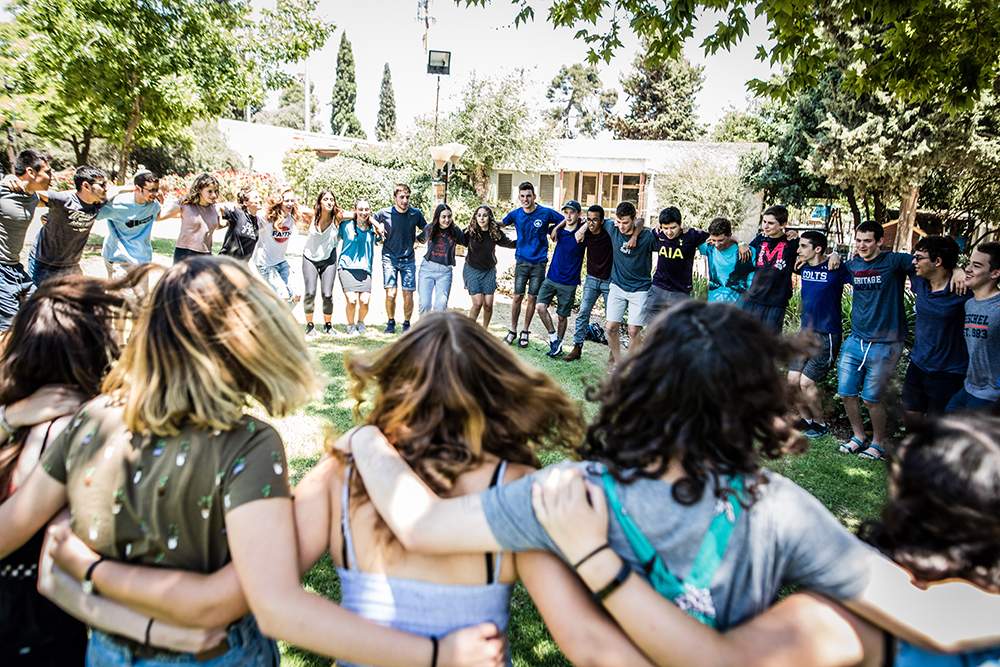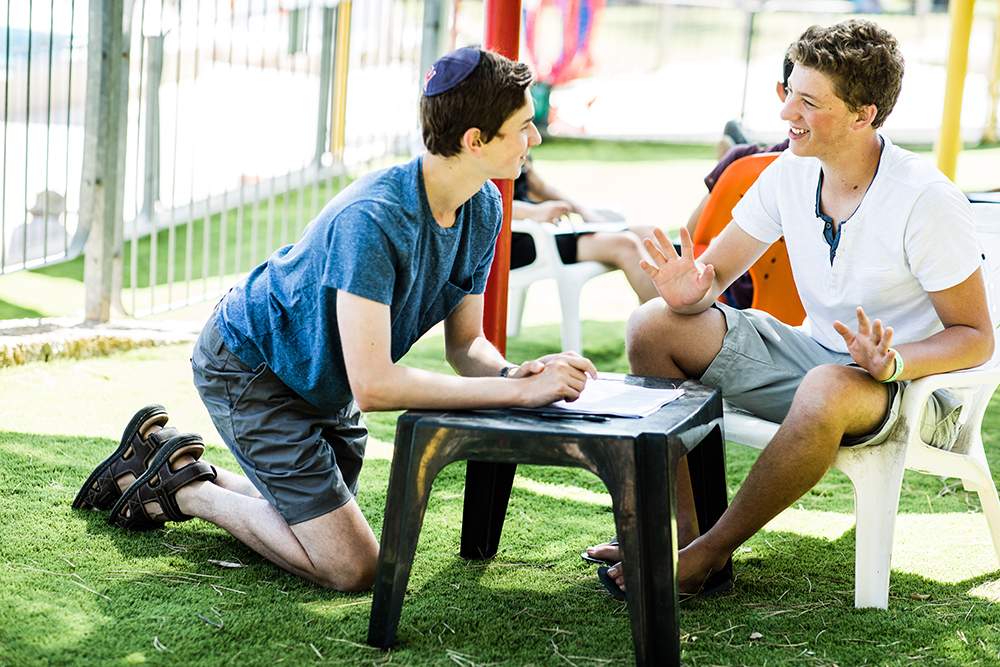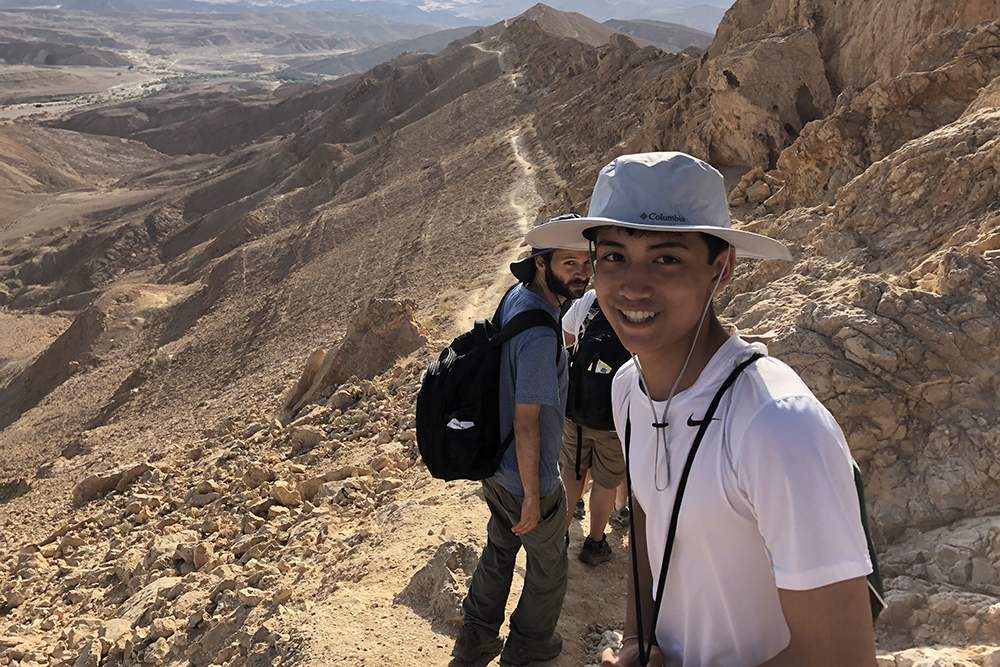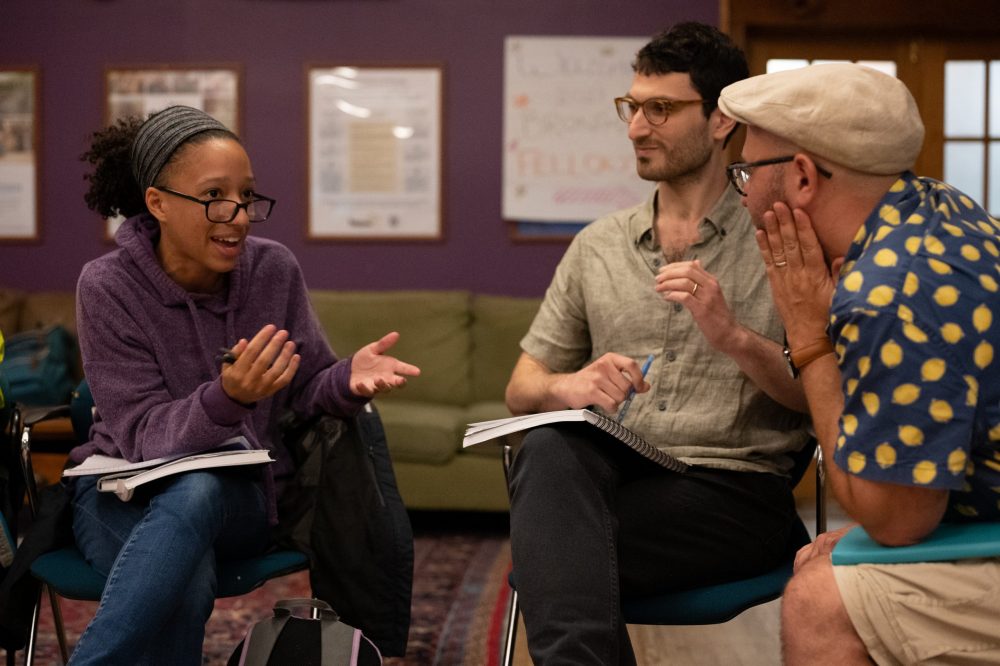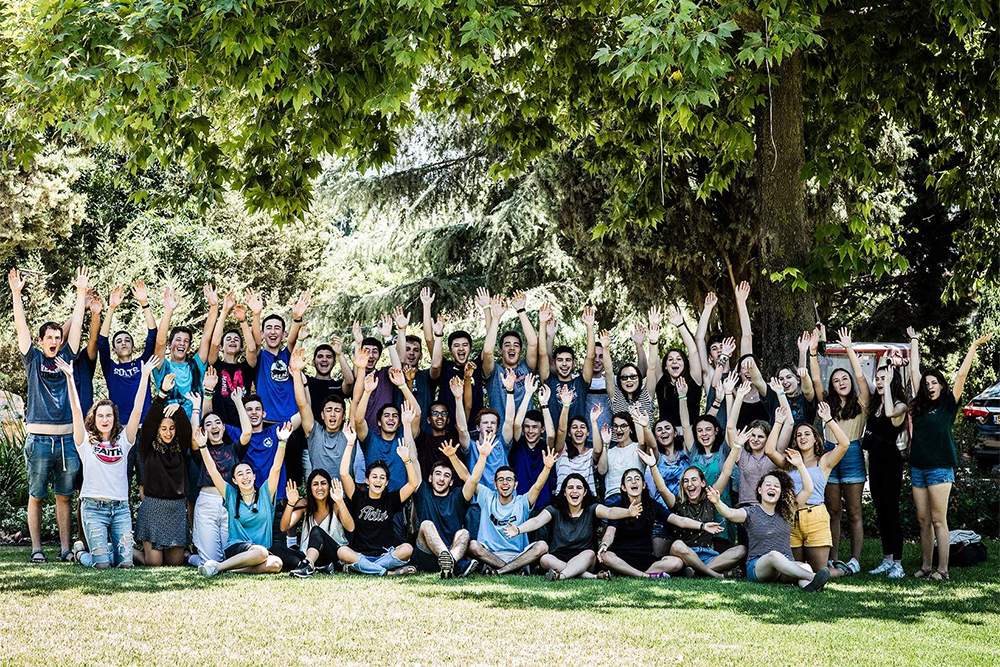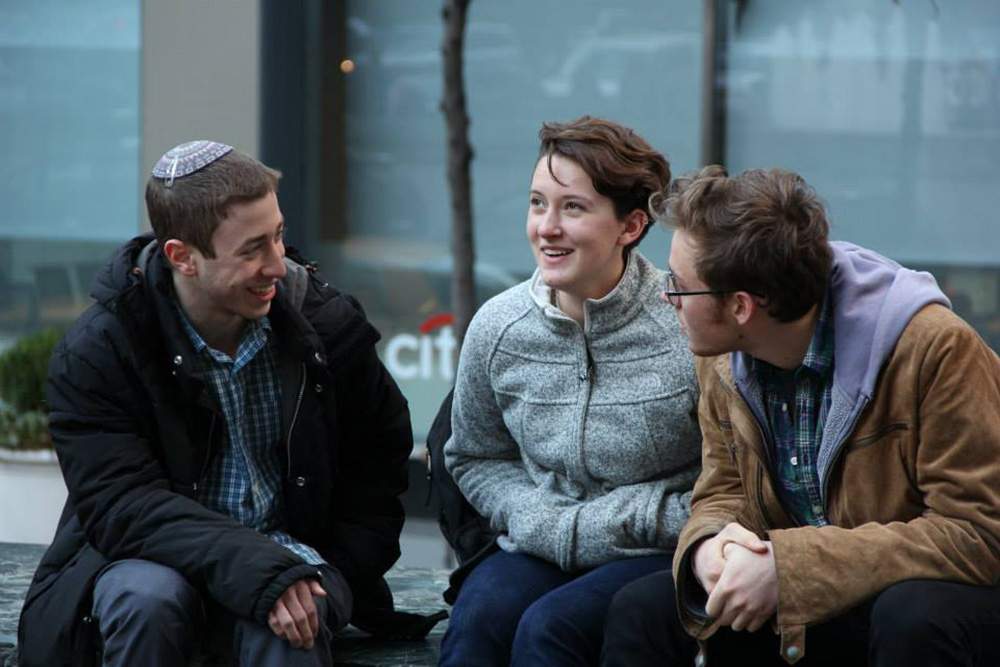

Every year, twenty-six outstanding North American teenagers are selected for The Bronfman Youth Fellowships in Israel. The Fellows come from all over the United States and Canada, from the widest possible range of Jewish backgrounds, and are selected based on merit, and not financial need. In their five weeks together, the Fellows encounter the land and people of Israel, study Judaism and major issues in contemporary Jewish life, and learn about themselves and each other. The summer is the beginning of a long-term association for the Fellows, which continues through our extraordinarily active alumni network.
High School Juniors from the United States and Canada who will be at least sixteen by July of 2012 are eligible for the Fellowship. Fellowships cover round-trip transportation between New York and Israel, educational programming, and room, board and travel while in Israel. Room and board at orientation and the Follow-Up Seminar in New York City are also included. Limited additional subsidies (based on need) are available to defray costs of travel to interviews, to New York for the summer program, and for follow-up alumni activities.
BYFI is a highly competitive program and our alumni have always done exceptionally well with the college admissions process. In fact a recently published guide* lists our program first in discussing "the top scholarship programs particularly noted for producing winners who year after year are among the strongest candidates for admissions to highly selective institutions."
For over 20 years our Fellows consistently attend excellent schools.:
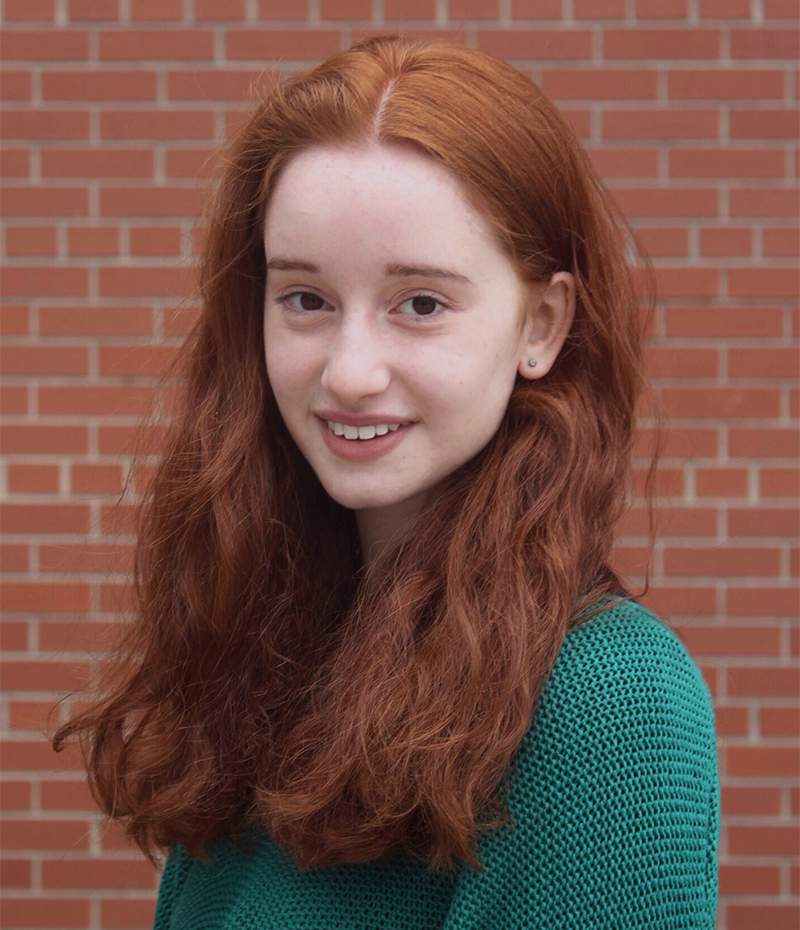
Brooke Freeman, BYFI '09, resides in Toronto, Canada, and is proud to live in a city that is so religiously and culturally diverse. She attends the Bishop Strachan School, one of the oldest and most prestigious day and boarding schools for girls in Canada. Though the school has Anglican roots, the student body is extremely multicultural and Brooke enjoys the everyday exposure to individuals from all over the world.
Brooke is very committed to community service work and in the summer of 2008 traveled to Tanzania, where she volunteered with impoverished communities. "This trip was so meaningful to me, but it also made me reflect on the fact that there is so much I can do within my own country as well." This realization inspired her to travel to the Yukon, where she met people from First Nation communities. Brooke is currently organizing a school trip that will focus on environmental community service, in particular on resurrecting old trails that were destroyed during the Yukon Gold Rush in the late 19th century.
In addition to her service efforts, Brooke is a longtime ballet dancer, competitive skier, and particularly enjoys participating in school swim meets where she can connect with students from all grade levels.
Why did you decide to apply for the BYFI?
My parents are an interfaith couple, so though I consider myself culturally Jewish, we participate in a basic level of observance that is very common within North America. Judaism had always been described to me as a religion that gave such importance to the intellectual process of debate and study, yet I had never really been exposed to that side. I felt that the type of program that BYFI offered would satisfy that curiosity as well as deepen my connection to it.
How was the application process for you and what would you suggest to someone who is considering applying?
The process was difficult but I emerged from it with a real sense of confidence. In writing the application essays, I chose to focus on issues that were of great importance to me, regardless of their specific connection to Judaism. At first I was self-conscious of my relative lack of Jewish knowledge and experience, but it later became clear to me that BYFI purposefully selects individuals of varying levels of engagement in order to provide a wide range of opinions during group discussion. I didn't have the opportunity to speak to past Fellows or meet anybody connected to BYFI, so not knowing what they were looking for helped me remain totally honest throughout the application process, without second-guessing myself.
I would say to a prospective Fellow to approach the process with an open mind and, most importantly, be themselves. Do not go into your interview with a pre-conceived notion of what the BYFI identity is, because there is no such thing.
Did you feel that the group was diverse and that you were exposed to opinions that differed from your own?
We were a very diverse blend of Jews from all degrees of connection, so our main emphasis was on understanding and respecting each other, but also being willing to challenge each other's views openly. I remember one instance in which my mother's conversion to Judaism came up in discussion. Some people felt that this put the legitimacy of my religion under scrutiny while others felt that my identification with Judaism was the determining factor. It was so challenging for me not to take offense at a topic that affected me so personally, but it turned out to be one of the more stimulating and interesting debates of the trip. What was so wonderful about the group dynamic was that, because the setting was so intimate, we were able to forge close friendships that went beyond individual disagreements. The conflict ended the moment we stepped out of the classroom, or was later revisited out of a genuine desire to resolve it and reach a greater level of understanding, without necessarily changing each other's views.
What did you like the most about your experiences in Israel last summer and what did you take from it?
I would have to say that my favorite aspects of the trip have happened since my return home. BYFI deepened my connection to certain Jewish rituals like Shabbat. I now find it to be such a valuable part of my routine in which I can focus my energy on prayer and self-reflection. Apart from that, I feel incredibly fortunate to have been a part of such an intelligent, religiously engaged and socially conscious group of individuals and I look forward to building my friendships with them beyond BYFI. I have a distinct feeling that my connection to the Bronfman alumnae community will grow stronger and that I will continue to see the effects of this life-altering experience in years to come.
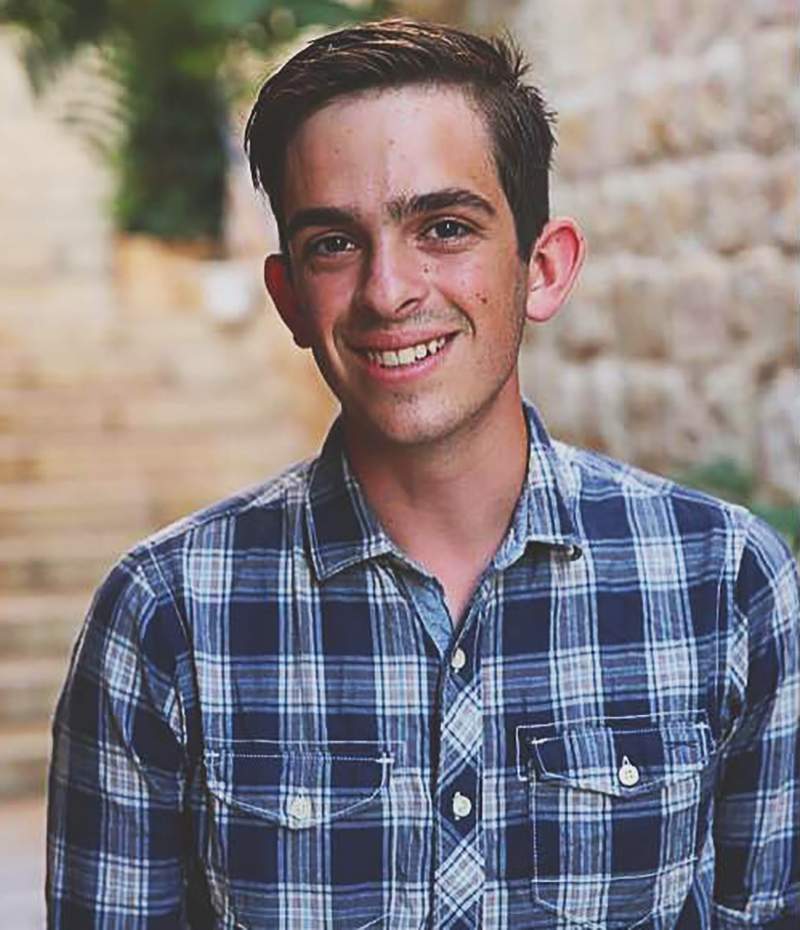
Jeffrey Kessler, BYFI '09, is the youngest of 4 siblings and attends YULA, an Orthodox Jewish High School in Los Angeles. In addition to his academic surroundings, Jeffrey's family is also Modern Orthodox. Although he is still unsure of what path of study to follow, but he hopes it will somehow involve Mathematics and Political Science and Theory. In addition, he plans to spend his gap year in Israel, studying at a yeshiva or participating in the Bronfman Bayit, a yearlong experience in which a small group of students live in Jerusalem and engage in a combination of Jewish study and intensive volunteer work in some of the city's poorest neighborhoods. Among his many interests, his favorites are playing piano, the occasional tennis match and reading "anything I can get my hands on," which has led to frequent teasing by friends and family for having a bedroom that looks like a bookstore. "I'm beginning to see their point," he admits with a laugh.
Why did you decide to apply for The Bronfman Youth Fellowships in Israel?
My family is Modern Orthodox, as is everything else around me. Until Bronfman, I had never really stepped out of a Modern Orthodox environment. Discussion and debate have certainly been interests of mine for a very long time, but when it came to religion in my life, there was no room for debate. I felt like I was missing part of the puzzle by being exposed to only one method of practice. I saw BYFI as an opportunity to discuss Judaism with peers who cared just as much about the future of the Jewish people as I did and who were also interested in exploring and challenging their own religious views. Additionally, I was hoping to spend a summer with other social and politically-minded individuals, with whom I could also have a good time.
What kind of support did you receive during the application process?
My family and siblings were tremendously supportive during the application process, always prepared to have me bounce ideas off of them. A representative of AIPAC, an office in which I have interned for the past two years, was tremendously helpful to me by both writing one of my recommendation letters and assisting me in my preparation for the interview. I also spoke to an alumna before applying and she was tremendously helpful in guiding me through the application process. However, the biggest encouragement for me to complete the application process was the knowledge that the end-goal could possibly be the most profound experience of my life. And it was.
Did you feel that the group was diverse and you were exposed to different perspectives from your own?
I had never been part of such a diverse group of individuals. Not only was the group diverse geographically and religiously but also in terms of ideology. I originally thought that I would be the extremist of the group and in some ways I was correct, as my religious practices and ideology tended to be more to the "right." However, I was incorrect in thinking it would make any difference. Opinions most certainly didn't line up along "denomination lines" and I found myself sometimes agreeing with those furthest away from me in practice and disagreeing with those whose levels of observance were similar to my own. Every Fellow stands out in one way or another, which makes for an incredible summer experience. Up until the very last day, I was continuously astounded by the other Fellows and their talents.
What words of encouragement would you give to someone who is currently applying?
I would encourage anyone who is serious about their Judaism and open to discussing it to apply for BYFI, because the Fellowship can truly change the entire way in which a person views the world, religiously and otherwise. I came back form the summer with a much deeper connection to Judaism. The program affected my faith more intensely than 15 years of Jewish day school.
To put it simply, anyone who has any interest in this program whatsoever should apply. There is literally no better thing to do with your time at such a critical point in your life.
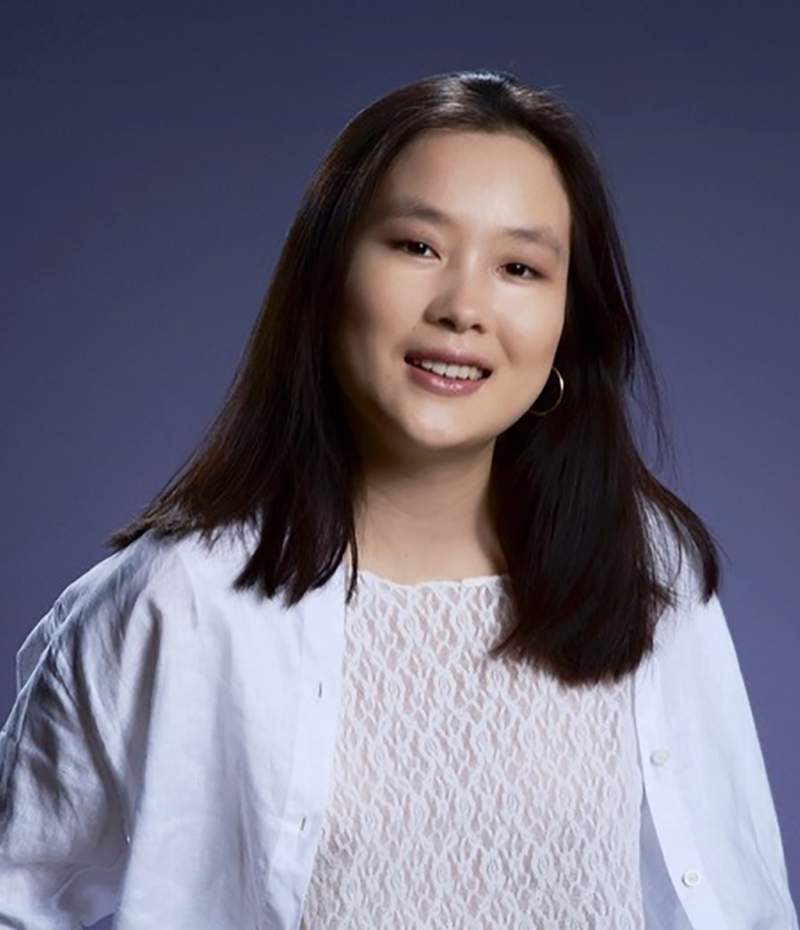
Naomi Sharp, BYFI '09, is entering her final year at Walter Payton College Preparatory High School in Chicago. The daughter of a Russian Jewish mother and a Southern Baptist father originally from Texas, Naomi describes her upbringing as "culturally Jewish." When she is not completing assignments for her school's homework-intensive curriculum, Naomi sings in concert choir, of which she has been a member for the past 4 years, serves as co-president of the Amnesty international Club, and edits The Paw Print, Payton's high school newspaper. Naomi is looking forward to her school trip to Ghana this spring, where she will learn about globalization, and hopes to spend her gap year in NYC working at low-income schools as part of AmeriCorps' City Year program.
Why did you decide to apply for BYFI?
I applied for BYFI because I was eager to explore my own views on Judaism and have open intellectual discussions with other people my age. My situation is unique in that my mother is a Russian Jew and my father is a Southern Baptist from Texas. They decided to raise me culturally Jewish and I feel a deeper connection to my Jewish roots, but that duality has always been an interesting balancing act for me, even if I live in an agnostic environment where religion is not really a central part of my everyday life. Many of my friends and peers are vaguely religious, but for the most part they are non-practicing. I never celebrated religious holidays, studied Hebrew or even had a bat-mitzvah, so I hadn't been exposed to many core elements of my heritage. There was only so long I could joke about being a "bad Jew," so I felt that it was time for me to take a more active role in learning about Judaism.
What do you feel would have been advantageous to know before applying?
It would have been extremely helpful to read some biographies of past Fellows when I was applying because I felt confused, not knowing the type of person Bronfman was looking for. I think that being able to read about others who participated in BYFI would have helped me realize that truly anyone can apply. There is no formula for who is accepted, as long as you are open-minded, willing to share your ideas and respectful towards individuals who do not agree with you.
Did you feel that the group was diverse and you were exposed to different perspectives from your own?
Absolutely! We were all so different and I was very contrasting from the rest of the group, as I had the least experience with Judaism. This was a bit intimidating at first, but it turned out to be a wonderful thing. I frequently felt foolish about my lack of knowledge, but the other people were extremely open and willing to teach me. In turn, I felt that my removed perspective was appreciated and helped balance group discussions. At times, I felt alienated from the texts we studied because I considered them great works of literature rather than moral and religious authorities, as some of my peers viewed them. This occasionally led to heated arguments, but I found these moments intellectually challenging, and we were always able to find a common ground, step away from the disagreement and not take it personally. We weren't there to change each other but to discuss our differences and learn from them. It was also such a humanizing experience because it helped me dispel my misconceptions of very observant people as not having a sense of humor or not being able to examine their own views.
What was your favorite aspect of the trip?
For me, the most thrilling part was being thrust into such a different situation than what I had ever experienced before. I had never gone away from home for more than a few days at a time and I was suddenly plopped in a foreign country with a group of strangers and expected to discuss topics that I had never really thought about, some of which made me uncomfortable. It was challenging, but so rewarding.